The official advocacy organization for pharmacist women in the United States
Pharmacist Moms Group™

45,000+ Members

Over 6 Million posts, comments and reactions in 2020

60,000+ Followers on social media platforms
The Largest Community of Women Pharmacists in the US
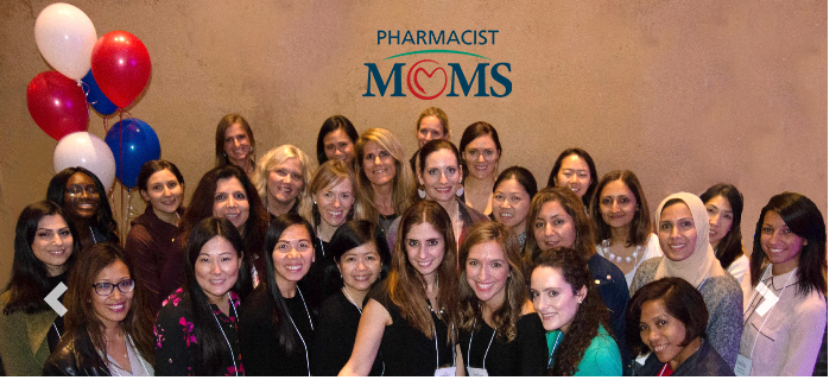
Founded in 2017, Pharmacists Moms Group was created to provide women pharmacists the opportunity to network, collaborate and offer genuine feedback in a closed-door, trusted setting. The organization has quickly grown to over 45,000 members and 60,000 followers on our social media platforms.

While we may not be able to control what happens to us, we can ALWAYS control how we respond. Working on self-awareness and self-improvement will certainly create positive habits to help you when you are stuck.
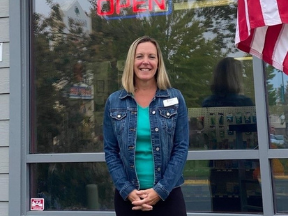
Read on to learn more about Jennifer’s path to pharmacy ownership, and to learn how COVID-19 and the Oregon wildfires have impacted her business.
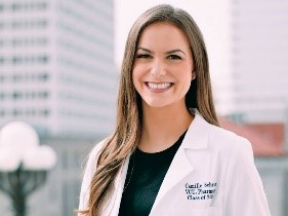
Miss America 2020, Camille Schrier, has been a proud, self-described “science nerd” for as long as she can remember. We caught up with Camille to get a student’s perspective on the future of the profession.
The FDA expanded approval of talazoparib plus enzalutamide to HRR-mutated metastatic androgen pathway modulation-naïve or -sensitive prostate cancer following a significant radiographic PFS benefit in TALAPRO-3.

Pharmacists can help care for patients receiving breast cancer endocrine therapy by identifying fracture risk early and supporting appropriate bone-directed treatment throughout survivorship.
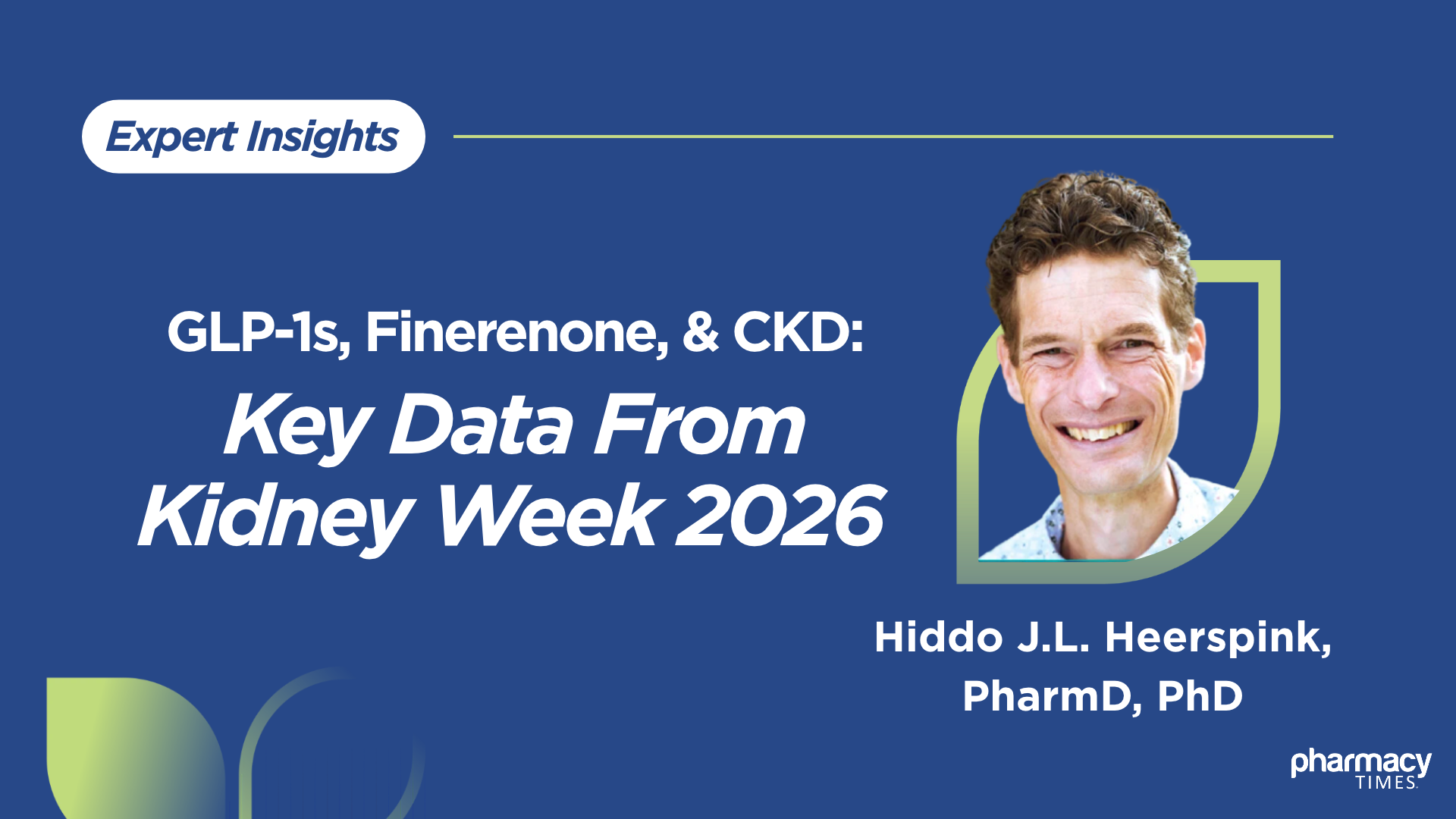
Hiddo J. L. Heerspink, PharmD, PhD, discusses SOLSTICE elecoglipron data, finerenone in FSGS, and glucagon’s kidney effects from ASN Kidney Week 2026.

A current pharmacy resident provides insights on how pharmacy students can manage the transition from student to resident.
Pharmacy performance measures should recognize clinical interventions, patient counseling, prescriber collaboration, and outcomes—not prescription volume alone.

CMS’s GLP-1 Bridge demo bypasses Part D to cover select obesity drugs, with a $50 monthly copay, PA workflow, and strict eligibility through 2027.

Official Media Partner
.png)
Official CE Partner

Founder of Women Pharmacist Day